How to Prepare Your Property for Bin Delivery in Ontario
Preparing a property for bin delivery in Ontario takes about 10 minutes and comes down to five steps: choose a placement spot with at least 10 feet of clearance width and 20 to 22 feet of overhead clearance, lay plywood under the drop zone to protect driveways, move vehicles and obstacles out of the truck's path, confirm whether a road occupancy permit is needed for curb placement, and communicate the exact drop location when booking. Skipping these steps is the most common cause of failed or delayed deliveries.
A delivery truck pulls up to a property, ready to drop a rental bin, and the driver realizes there is no way to get it where it needs to go. A car is blocking the driveway. Tree branches hang too low over the intended spot. Nobody mentioned the slope near the garage or the underground sprinkler line running along the edge of the lawn. The result is a delayed delivery, a frustrated homeowner, and sometimes a rescheduled appointment that pushes back an entire renovation timeline.
Knowing how to prepare for bin delivery in Ontario prevents almost all of this. The process takes about 10 minutes and covers five areas: placement location, clearance, surface protection, obstacles, and communication with the rental company. A property that is ready before the truck arrives gets the bin placed correctly on the first attempt, with no damage and no delay. This is especially true across the Niagara Region, where a mix of older neighborhoods, new subdivisions, and heritage districts each present slightly different placement challenges.
The sections below break down exactly what to check, in what order, and why each step matters for a smooth drop-off.
Where Can a Rental Bin Be Placed?
Most Ontario properties have three realistic placement options: the driveway, a private pad or side yard, and the municipal road or curb. Each comes with different tradeoffs in terms of convenience, cost, and paperwork.
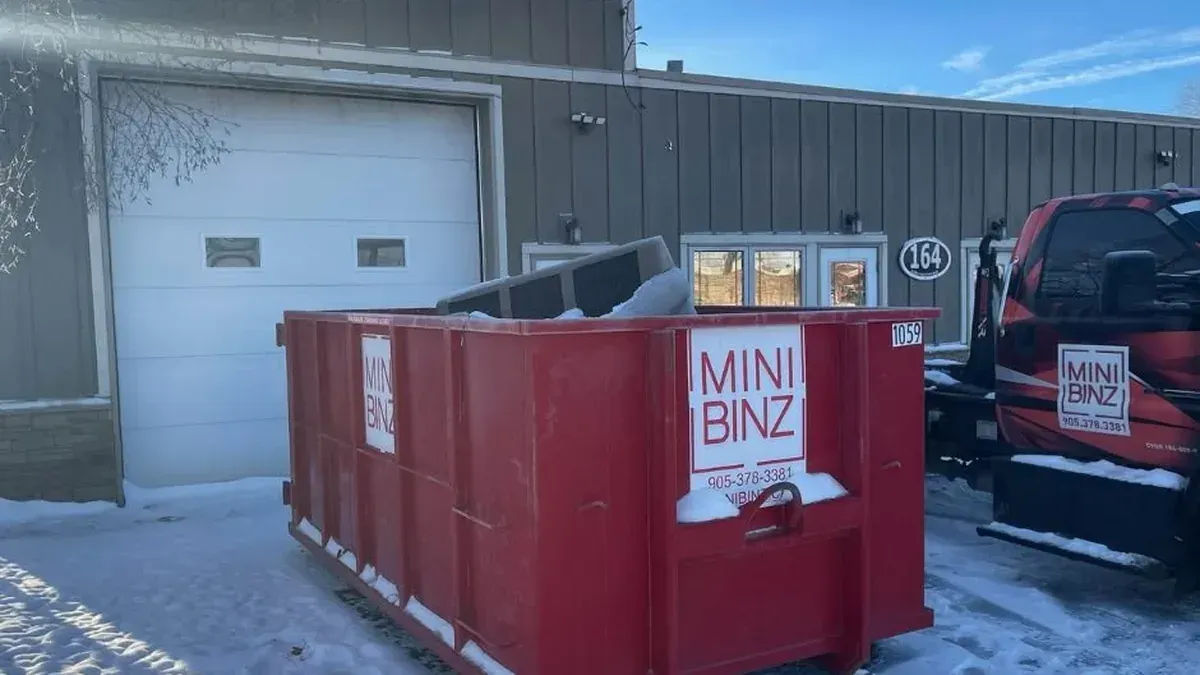
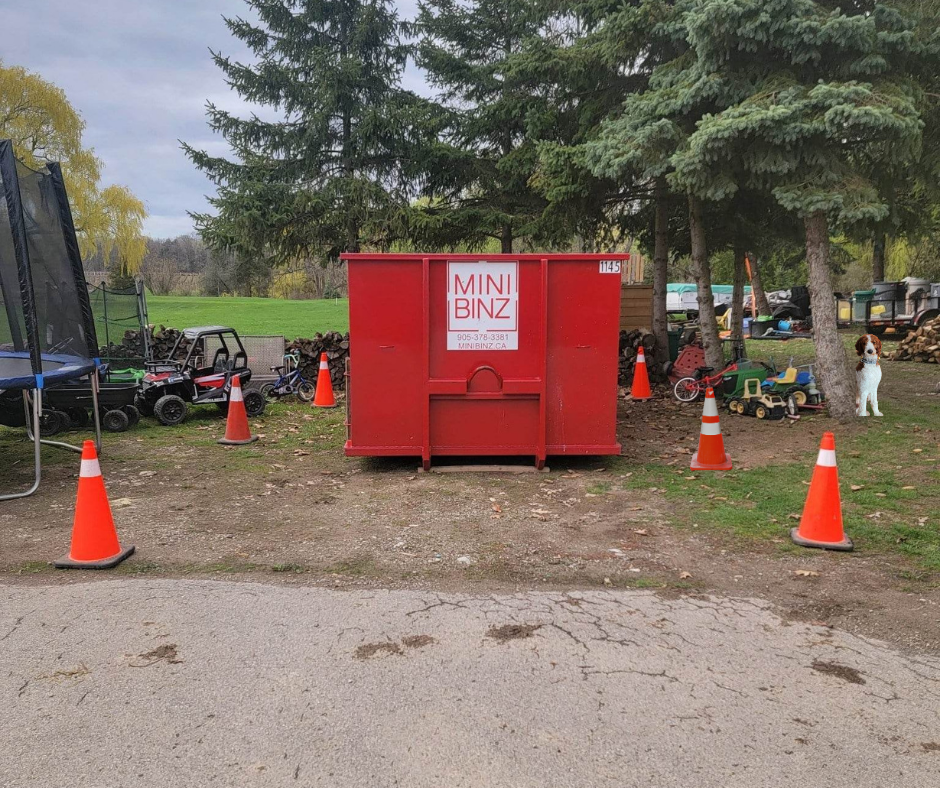
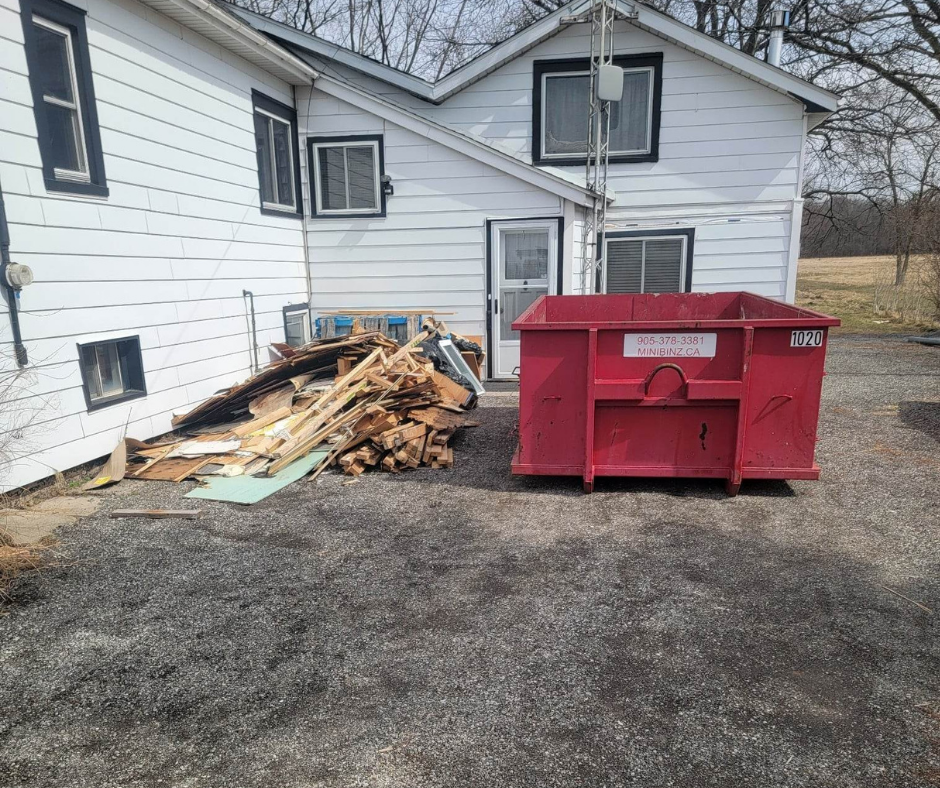
The driveway is the most common choice across the Niagara Region. It offers a flat, stable surface, easy truck access, and no permit requirements in most municipalities. The main tradeoff is potential surface damage if the driveway material is not protected before drop-off, particularly on interlock or older asphalt.
A private pad, such as a gravel area, backyard, or side lot, works well for properties with limited driveway space or for jobs where the bin needs to stay close to a specific work area, like a demolition site or landscaping project. Access can be tighter in these situations, so truck clearance becomes even more important to check in advance. A side yard that looks wide enough on a casual glance may still be too narrow once fences, gates, and garden beds are factored in.
Placing a bin on the road or curb is sometimes necessary when a driveway is too narrow, under construction, or unavailable because of an ongoing project. This option carries the highest chance of requiring a permit, since municipal roads fall under local bylaws rather than private property rules, and enforcement of those bylaws varies from one municipality to the next.
Choosing the right option often comes down to balancing convenience against paperwork. A driveway placement avoids permits entirely in most cases, while a road placement may take longer to arrange but solves the problem for properties where the driveway genuinely will not work.
Driveway Placement: What to Check
A driveway needs at least 10 feet of clear width for the delivery truck to maneuver and lower the bin safely. Narrower driveways, common on older lots built before modern vehicle sizes became standard, may require the bin to sit partially on the lawn or require extra maneuvering room near the street to compensate.
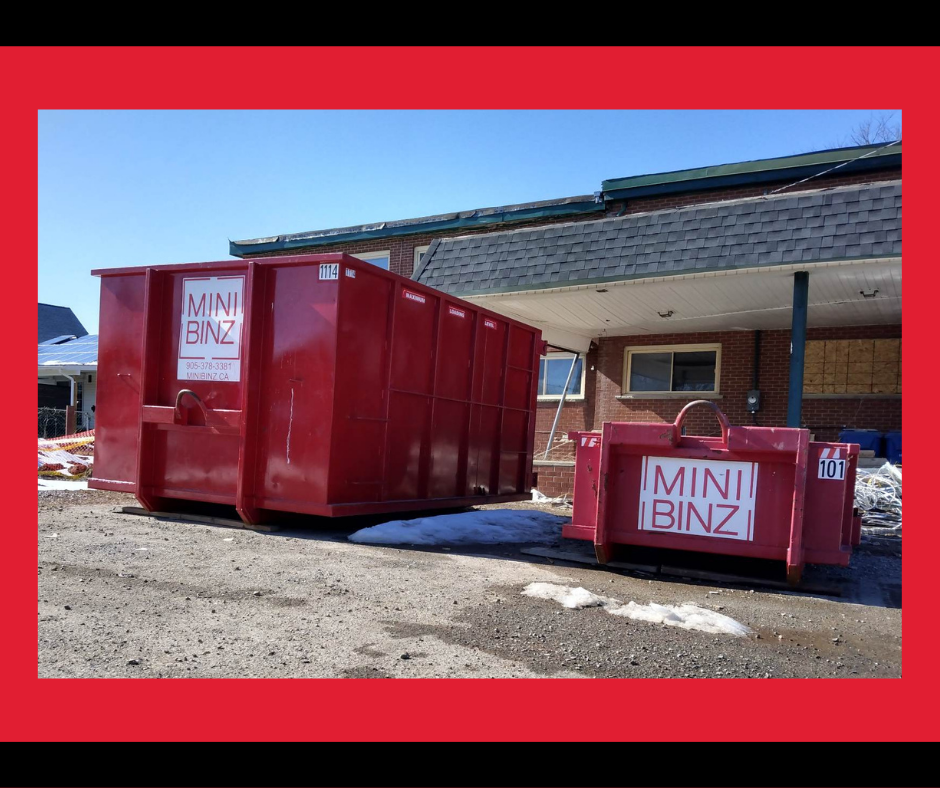
Length matters as much as width. The space needs to fit the bin itself plus room for the truck to align and back out without scraping a garage door, fence, or parked vehicle. A 10-yard bin and a 20-yard bin have noticeably different footprints, so checking the 10 yard bin dimensions or the specs for a 20 yard bin before booking helps confirm the space will actually work for the intended project.
Low-hanging branches, eavestroughs, and overhead lines directly above the intended drop zone are common problems that only become obvious once the truck is already in the driveway and the lift mechanism is engaged. Walking the space and looking up, not just across, catches most of these issues early, before they turn into a delay on delivery day.
Slope is another factor worth a quick check. Driveways with a steep grade toward the street or toward a garage can make bin placement trickier, since the bin needs a reasonably level surface to sit securely. A driver may need to adjust the exact spot slightly to find the most level section available.
Road or Curb Placement: When a Permit May Be Required
Several municipalities within the Niagara Region require a road occupancy permit before a bin can be placed on a municipal street, even temporarily and even for a short rental period. Rules vary by city and by how long the bin will remain in place, so checking with the local municipality before booking road placement is the safest approach rather than assuming the same rule applies everywhere.
The Niagara Region waste management page outlines general regional guidelines, though individual municipalities may add their own requirements on top of those regional standards. Some cities require an application submitted days in advance, while others handle road placement requests on shorter notice.
The Mini Binz team can offer guidance on permit questions during the booking call, since placement history across different Niagara municipalities helps flag which situations are more likely to need a permit and which typically do not. This is not a substitute for confirming directly with the municipality, but it does help set expectations early in the planning process.
How to Protect Your Driveway from Damage
Weight distribution is the biggest factor in whether a driveway sustains any damage from a rental bin. Placing plywood sheets under the bin's corners, where the weight concentrates most heavily, spreads that load across a wider surface area and significantly reduces the risk of cracking, indentation, or surface staining.
This step matters most for interlock driveways and older asphalt surfaces, both of which are more prone to marking under concentrated weight, especially in warmer weather when asphalt softens slightly and becomes more vulnerable to indentation. A single afternoon of direct sun on a hot day can be enough to soften asphalt just enough to leave a lasting mark without protection in place.
Concrete pads generally handle bin weight well without extra protection, though plywood is still a reasonable precaution for older or already-cracked concrete, since existing weak points can widen under sustained pressure. A driveway with visible hairline cracks is a good candidate for extra protection even if the surface is technically concrete.
Mini Binz takes reasonable care during placement and works with property owners to identify the safest drop zone, but the plywood step is a simple, low-cost way to add an extra layer of protection before the truck arrives. Most hardware stores carry plywood sheets in sizes suitable for this purpose, and a few sheets go a long way toward peace of mind.
Properties with unusual driveway materials, steep grades, or existing surface damage should call 905-378-3381 to discuss placement options ahead of the scheduled delivery. A quick conversation before drop-off resolves most surface concerns before they become a problem, and it gives the delivery team a chance to plan the safest possible approach in advance.
Overhead Clearance: A Common Overlooked Requirement
Delivery trucks need roughly 20 to 22 feet of vertical clearance to safely lift and lower a bin. This requirement gets missed more often than driveway width, since overhead obstructions are easy to overlook from ground level and rarely come to mind until the truck is already positioned underneath them.
Common culprits include tree branches that have grown out over a driveway since the last trim, garage door frames on properties where the bin needs to sit close to the structure, and low-slung electrical service drops connecting the street to the house.
Older neighborhoods with mature trees are especially prone to this issue, since decades of unchecked growth can bring branches lower than they appear from a distance.
Walking the exact path the truck will take, from the street to the final drop spot, and checking overhead the entire way, catches most clearance problems before delivery day. It helps to look at the space at different times of day, since shadows and light can make it harder to judge exact height in certain conditions.
If a branch or wire looks close, it is worth measuring or calling ahead rather than assuming it will be fine. A rough measurement using a tape measure and a stepladder, or even a visual comparison against a known reference height like a garage door, is often enough to settle the question before delivery day arrives.
What to Move or Clear Before the Truck Arrives
A clear path makes the difference between a five-minute drop-off and a delayed one. Vehicles parked in the driveway are the most frequent obstacle and should be moved well before the scheduled delivery window, since trucks generally cannot maneuver around a car in the drop zone without significant extra effort or a change in plans.
Garbage bins, recycling boxes, lawn furniture, garden hoses, and any other items along the truck's path should be cleared as well. Even small obstacles can force a driver to reposition multiple times or, in some cases, choose an alternate placement that was not the original plan, which can affect how convenient the bin ends up being for the actual project.
Children and pets should stay inside during the delivery. Bin trucks involve hydraulic lifts, reversing equipment, and heavy machinery operating in tight spaces, so keeping the immediate area clear of anyone not directly involved in the delivery is a straightforward safety measure that also helps the driver focus on the task at hand.
A short walk around the property the morning of delivery, checking for anything that might have been forgotten the night before, is often enough to catch last-minute items before the truck shows up.
How to Communicate Your Placement Preference When Booking
The booking call is the best opportunity to describe the intended drop zone in detail. A vague request, such as “somewhere in the driveway,” leaves more room for miscommunication than a specific one, such as “the left side of the driveway, past the gate, near the garage.” The more specific the description, the less likely there is to be any confusion on delivery day.
Sending photos of the intended drop zone by email or text ahead of the delivery gives the driver a clearer picture of the space before arriving on site. This is particularly useful for properties with unusual layouts, shared driveways, or tight side-yard access, where a written description alone might not capture the full picture.
The contact the Mini Binz team page provides a direct way to send those details ahead of time. The Mini Binz team can also adjust placement on-site if conditions differ from what was described, since drivers are trained to reassess the space and find a workable solution when needed rather than treating the original plan as fixed no matter what.
Clear communication upfront tends to save time for everyone involved, since the driver arrives already knowing what to expect instead of assessing the property from scratch on arrival.
Placement Tips for Specific Property Types in the Niagara Region
Older homes in St. Catharines, particularly in neighborhoods built before modern driveway standards were common, often have narrower driveways than newer construction. These properties benefit from an early measurement check and, in some cases, partial curb placement when the driveway alone will not accommodate the truck comfortably. Homeowners exploring bin rental in St. Catharines should factor driveway width into the planning stage before booking rather than discovering a mismatch on delivery day.
Heritage properties in Niagara-on-the-Lake come with additional considerations, since road permits in heritage districts tend to involve more paperwork and longer lead times than in other municipalities. Booking further in advance gives extra room to sort out any permit requirements before the delivery date, particularly for projects with a fixed start date that depends on the bin arriving on schedule.
New construction lots in Pelham and Grimsby frequently have soft or uneven ground conditions during the early stages of a build, before landscaping and grading are complete. Placing plywood or gravel under the bin in these situations helps prevent the bin from settling unevenly into soft soil, which can make it harder to load or unload materials safely once the bin is in place.
Properties anywhere in the region with recent landscaping work, newly poured concrete, or ongoing exterior renovations should mention those details during booking, since a fresh surface may need extra protection or a slightly different placement spot than usual.
Conclusion
Five steps cover almost every property preparation scenario for bin delivery in Ontario: clear the placement path, check overhead clearance before the truck arrives, protect the surface with plywood where needed, move vehicles and obstacles out of the way, and communicate the exact drop zone during booking. Together, these steps take roughly 10 minutes and prevent the vast majority of failed or delayed deliveries across the Niagara Region.
The Niagara Region waste management page and the Ontario building permits overview are useful starting points for anyone unsure whether a specific placement plan needs sign-off from a municipality before delivery day. For broader context on how waste management is regulated across the country, the federal waste management guidance page outlines the general framework that provincial and municipal rules build on.
The Mini Binz team remains reachable before delivery for any site-specific questions, particularly for properties with narrow driveways, permit questions, or unusual layouts. Book a bin and the Mini Binz team will confirm placement details during the booking call, or call 905-378-3381 to talk through the details in advance.