A basement cleanout Niagara Region homeowners can finish in one weekend solo, or four to eight hours with help, by following four phases: assess the space, sort contents into keep, donate, recycle, and dispose categories, execute the removal, and handle special items like paint, propane, and asbestos separately. A 10 yard bin handles a partially filled basement, a 15 yard bin covers a fully packed one, and a 7 day rental window removes any pressure to rush.
Basements across St. Catharines, Niagara Falls, and Welland tend to accumulate decades of holiday decorations, retired furniture, broken small appliances, and boxes nobody has opened since the last move. A basement cleanout Niagara Region homeowners take on before a renovation, a home sale, or a straightforward decluttering push can feel overwhelming simply because of the volume packed into one space. Anyone searching how to clean out a basement Ontario wide runs into the same core challenge: too much stuff, and too little clarity on where to start.
This guide breaks the project into four phases: assessing what is actually stored down there, sorting everything into clear categories, executing the physical removal, and handling the special items that catch most first-time cleanouts off guard. A basement holding a single overflow storage zone and a basement holding floor-to-ceiling boxes from a recently inherited home both follow the same four-phase structure, just at different scales. Each section below covers what to expect, how long the work takes, and what size bin the job actually calls for.
Estate executors clearing out a family home, property managers preparing a rental unit between tenants, and homeowners simply tired of an unusable basement all benefit from the same structured approach. The emotional weight of an estate cleanout differs from a routine decluttering project, but the physical process, and the bin sizing question behind it, works the same way regardless of the reason for starting.
Phase 1: Assess What You Have Before Touching Anything
Walking the full basement before moving a single box saves hours of wasted effort later. A slow walkthrough, zone by zone, gives a rough sense of volume: is the space mostly boxes, mostly furniture, or a mix with large appliances mixed in?
Photographing the space before starting creates a useful before-and-after record, and it also helps spot items easy to miss once the room fills with open boxes and moving activity. This is the point to flag anything hazardous or requiring specialty handling: old paint cans, propane tanks, fluorescent bulbs, car batteries, or anything that belongs in a hazardous waste stream rather than a general bin.
It is also the point to note anything with resale or donation value. Furniture in working condition, tools, sporting goods, and functional small appliances often have a second home waiting rather than a landfill destination, and identifying those items early prevents them from getting buried under general debris during the sort.
A basement with visible water damage, pest activity, or structural concerns deserves extra attention during this walkthrough. Items sitting in a damp corner for years often carry mold growth that stays invisible until the box gets opened, and identifying these areas early means gloves, masks, and extra caution get planned for before bags start filling up.
Breaking the walkthrough into rough zones, a storage wall, a workbench area, a seasonal decor corner, gives the sort phase a head start before any bags come out. A basement mapped into three or four zones during assessment moves through sorting noticeably faster than one tackled as a single undivided room.
Phase 2: Sort Into Four Categories
With the walkthrough complete, sorting comes next, and four categories cover nearly everything found in a typical basement:
•
Keep: items used within the past year, or with clear ongoing purpose
•
Donate: usable furniture, tools, and household goods in working condition
•
Recycle: metal, cardboard, glass, and electronics through the correct stream
•
Dispose: genuinely broken, expired, or unsalvageable items with no resale value
Working zone by zone rather than pile by pile keeps the sort manageable. Tackling one shelving unit, one corner, or one labeled box at a time produces steady visible progress, while a single sprawling pile in the middle of the room tends to grow rather than shrink.
The “just in case” trap catches nearly every basement cleanout at some point: an item that has not been touched in five years but still feels too useful to release. A simple rule helps here: if the item has not been used or missed in the past year, and a replacement would be cheap or easy to find, it can move to the donate or dispose pile without much risk.
Kids' outgrown gear, old textbooks, and decor from a previous style phase tend to fall squarely into this trap. Setting a short time limit, ten or fifteen minutes per zone, before moving to the next area keeps second-guessing from stalling the whole sort.
What to Donate From a Basement Cleanout
Usable furniture, tools, sporting goods, and appliances in working condition make strong donation candidates rather than bin filler. Building materials and fixtures pulled from a basement, like leftover lumber, doors, or cabinetry, often have value too:
Habitat for Humanity Niagara ReStore donations accepts a wide range of these materials for resale, with proceeds supporting local building projects.
Sporting goods like bicycles, skis, and camping gear tend to move quickly through donation channels as well, particularly ahead of seasonal demand. Calling ahead to confirm acceptance before loading a vehicle full of donations saves a wasted trip, since drop-off policies and accepted categories shift from one organization to the next.
Keeping a simple written list of donated items, along with the drop-off date and organization, makes tax receipt requests and general recordkeeping far easier later, particularly for an estate cleanout where documentation often matters beyond the basement itself.
What to Recycle vs. Throw Out
Metal, cardboard, and glass generally belong in standard recycling rather than a bin destined for landfill. Electronics and large appliances need a separate path, since most municipal recycling programs route these items to designated depots rather than curbside pickup.
Paint, batteries, and household chemicals fall into hazardous waste, not recycling or general trash. The
Ontario recycling and reuse resources page outlines provincial guidelines for sorting these categories correctly, which helps avoid contaminating a bin load or missing a specialty drop-off window. Checking depot hours ahead of time prevents an extra trip with a trunk full of electronics and nowhere open to drop them.
What Size Bin Do You Need for a Basement Cleanout?
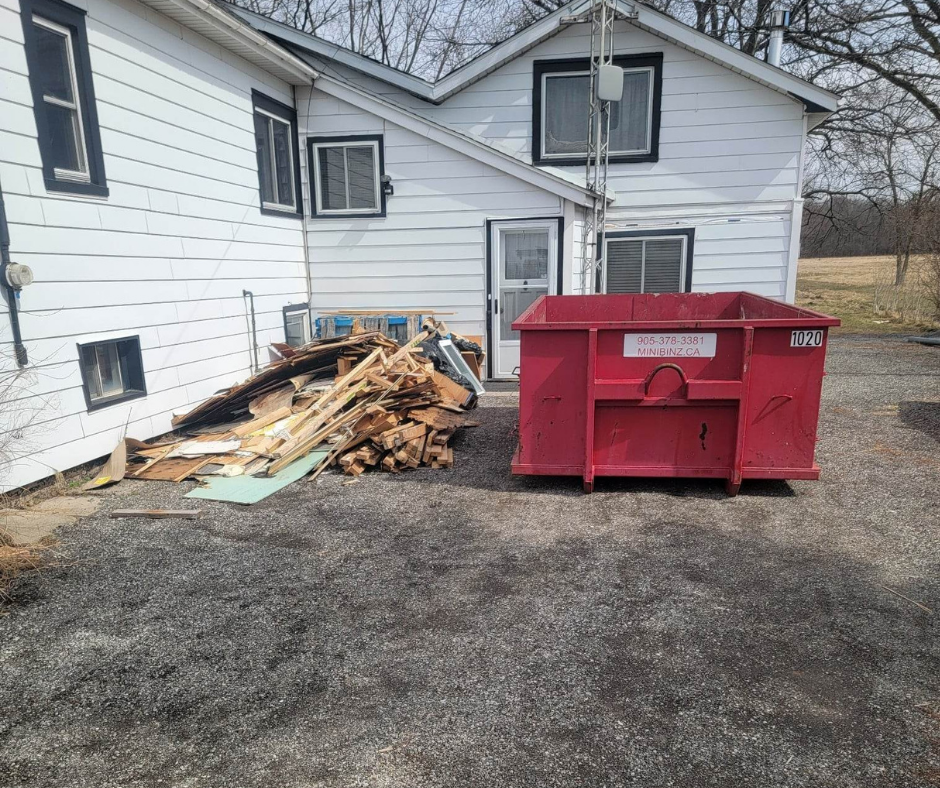
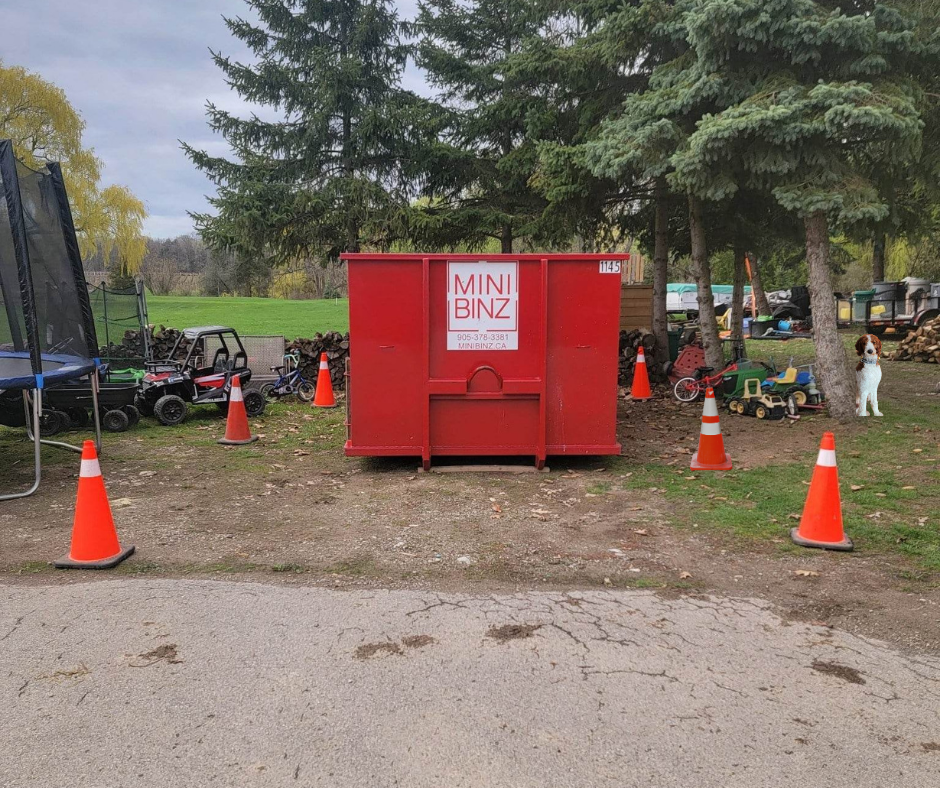
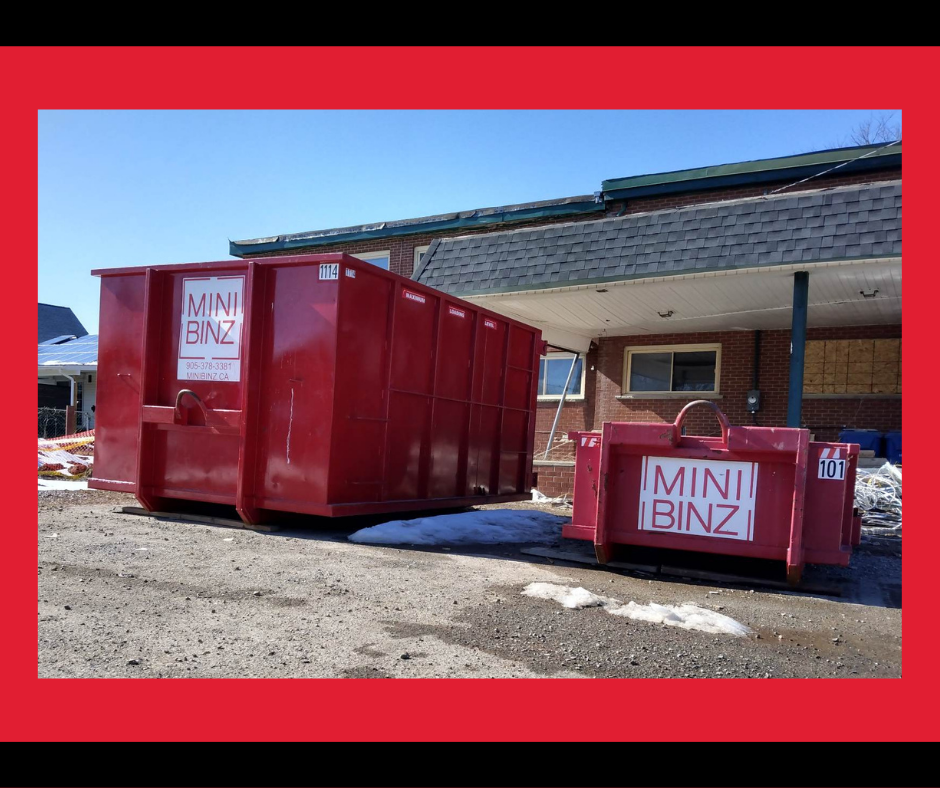
Choosing the right bin rental for basement cleanout work in the Niagara Region comes down to two questions: how full is the basement, and will renovation debris get mixed in with general contents? As a starting point, an average basement cleanout Niagara Region project fits comfortably into a 10 to 15 yard bin.
• Partially filled basement or single zone:
10 yard bin for basement cleanouts
• Fully packed basement or double-height storage:
15 yard bin rental
• Cleanout combined with renovation debris: 20 yard bin worth considering
When renovation debris like drywall, flooring, or framing lumber gets added to the mix, a 20 yard bin is worth considering, since construction material fills space and adds weight faster than household boxes. Local pricing and availability for
bin rental St. Catharines and
bin rental Welland can help narrow down the right size before delivery.
Driveway space and street access also factor into the decision. A narrow driveway or a property on a busy street may call for a slightly smaller bin placed closer to the house, with a second load scheduled if the first fills up faster than expected. Confirming placement details before delivery day avoids a bin parked somewhere inconvenient for the full rental period.
Phase 3: Execution Day Logistics
A clear path from the basement to the bin makes execution day move faster and reduces the risk of tripping over furniture legs or loose cords along the way. Ten minutes spent clearing stairs, hallways, and doorways before the first load pays off across the entire job.
Working from back to front in the basement, rather than grabbing whatever sits closest to the door, keeps the flow organized and prevents re-crossing the same path repeatedly with awkward loads.
Heavy items loaded into the bin first create a stable base and better use of the available space; lighter boxes and bagged items fill in around and on top of them more efficiently than the reverse order. For basement junk removal St. Catharines projects in particular, pairing a single bin rental with one dedicated cleanout weekend usually beats multiple truck trips to a dump.
Bulky items like couches, dressers, and old appliances go faster and more safely with two people rather than one. Recruiting help for these pieces reduces injury risk and cuts the total time needed for the heaviest part of the job.
Basic safety gear, gloves, closed-toe shoes, and a dust mask for older insulation or drywall, makes a noticeable difference on execution day. Basements that have sat undisturbed for years sometimes carry dust, rodent activity, or sharp debris that gloves and proper footwear handle far better than bare hands and sneakers.
How Long Does a Basement Cleanout Take?
Solo, a full weekend covers an average basement cleanout from first box to final sweep. With a second set of hands, most residential basements clear out in four to eight hours.
A few factors shift that estimate in either direction: the number of helpers on hand, whether hazardous items need separate sorting, and how accessible the basement is from the driveway or curb where the bin sits. A basement with a narrow stairwell or limited exterior access naturally takes longer than one with a walkout door.
The rental period on a bin typically covers up to seven days, which removes the pressure to finish everything in a single exhausting session. Splitting the work across two or three shorter sessions over the rental window often produces better sorting decisions than a rushed one-day push.
Handling Special Items Found During Basement Cleanouts
A handful of items common in Niagara Region basements need separate handling rather than a spot in the general bin.
Old paint cans go to a hazardous waste depot rather than the bin or curbside trash; dried-out paint sometimes qualifies for regular disposal, but liquid paint almost always requires the hazardous stream. Propane tanks, whether from an old barbecue or a camping setup, go through exchange programs or hazardous drop-off rather than general disposal.
Asbestos, more common in homes built before the 1990s, requires certified remediation before any removal takes place; disturbing suspected asbestos material without proper handling creates a health risk that outweighs any time saved.
Old firearms found during a cleanout must follow federal regulations for disposal rather than general waste or bin removal. Mattresses and box springs also fall outside most standard bin loads in some municipalities, so confirming acceptance before loading one in saves a return trip. The
Niagara Region waste management page lists current depot locations, accepted hazardous categories, and drop-off hours for items that fall outside standard bin service.
Old electronics, from box televisions to outdated computer towers, generally require a designated e-waste depot rather than a spot in the bin, since many contain materials that need controlled handling. Setting these items aside during the initial walkthrough, rather than discovering them mid-load on execution day, keeps the rest of the process moving without an unplanned depot run.
After the Cleanout: What to Do With the Empty Space
An emptied basement opens up options that were not practical with the space full: renovating, finishing the space for the first time, or simply organizing what remains with proper shelving.
Painting, adding shelving units, and addressing moisture control top the list of common next steps once the floor is visible again. A basement with a persistent damp smell or visible moisture along the foundation walls is worth addressing before any finishing work begins, since trapped moisture undermines flooring, drywall, and stored belongings alike. A dehumidifier running for a week after the cleanout often reveals whether moisture is a minor seasonal issue or a bigger problem worth a professional inspection.
Labeled bins, open shelving, and a simple zone system for seasonal items tend to keep a newly cleared basement from drifting back toward clutter within a year. For homeowners moving straight into renovation work after the cleanout, a second bin rental sized for construction debris is often the next practical step.
A short yearly check, walking the space once and confirming the zone system still makes sense, keeps a cleared basement from slowly refilling the way it did before. Ten minutes once a year costs far less than a second full cleanout down the road.
Conclusion
A basement cleanout Niagara Region homeowners tackle with a clear plan tends to move faster and produce fewer regretted decisions than one approached room by room without structure. The four phases outlined above, assessing, sorting, executing, and handling special items separately, apply whether the job covers one overflow corner or an entire finished basement worth of accumulated contents.
Mini Binz delivers bins to St. Catharines, Welland, Niagara Falls, and 17 more communities across the Niagara Region, with flexible 7 day rental windows built for exactly this kind of project. Calling
905-378-3381 books a bin sized correctly for the basement cleanout ahead, with guidance available for anyone still unsure between a 10, 15, or 20 yard option.