What Can and Cannot Go in a Rental Bin in Ontario: The Complete Guide
Rental bins in Ontario generally accept general household junk, renovation debris such as drywall and lumber, yard waste, and furniture. They cannot accept hazardous materials, liquids, tires, propane tanks, batteries, paint, or fridges and freezers containing refrigerant. Concrete, dirt, and heavy fill are allowed but limited by weight rather than banned outright. Mini Binz confirms accepted materials for a specific project before booking at 905-378-3381.
A bin fills up fast during a renovation or cleanout, and one bagged item at the bottom can turn a straightforward pickup into a phone call about extra charges. Knowing what can go in a rental bin in Ontario before the first item goes in prevents that delay and keeps the project on schedule.
Homeowners and contractors across the Niagara Region often assume a bin accepts anything that fits, then discover partway through a job that certain materials are restricted by provincial regulation, weight limit, or hauler policy.
This guide breaks down exactly what belongs in a rental bin and what does not, category by category, along with where prohibited items can be taken instead. It covers renovation debris, household furniture, appliances, hazardous materials, and the heavy fill items that cause the most overage charges. Contractors managing multiple loads and first-time renters filling a single bin will both find clear answers here before the bin ever arrives on site.
What Is Accepted in a Rental Bin in Ontario?
Bin rental accepted materials in the Niagara Region fall into four broad categories: general household junk, renovation debris, yard waste, and furniture. Most residential and construction cleanouts fit comfortably within these categories, and the table below covers the most common items renters ask about.
| Category | Examples |
|---|---|
| General Household Junk | Furniture, boxes, clothing, general clutter, small appliances without refrigerant |
| Renovation Debris | Drywall, lumber, flooring, tile, roofing shingles, insulation |
| Yard Waste | Branches, brush, sod, leaves (check weight limits on heavy loads) |
| Metal and Cardboard | Scrap metal, cardboard, packaging materials |
Yard waste such as branches, brush, and leaves loads into a rental bin without special handling, though sod and large quantities of soil-heavy debris add weight quickly and are worth mentioning when booking the bin. Scrap metal and cardboard round out the general accepted category, and both materials are welcome mixed in with the rest of a cleanout load rather than requiring separate sorting on site.
Renovation and Construction Debris
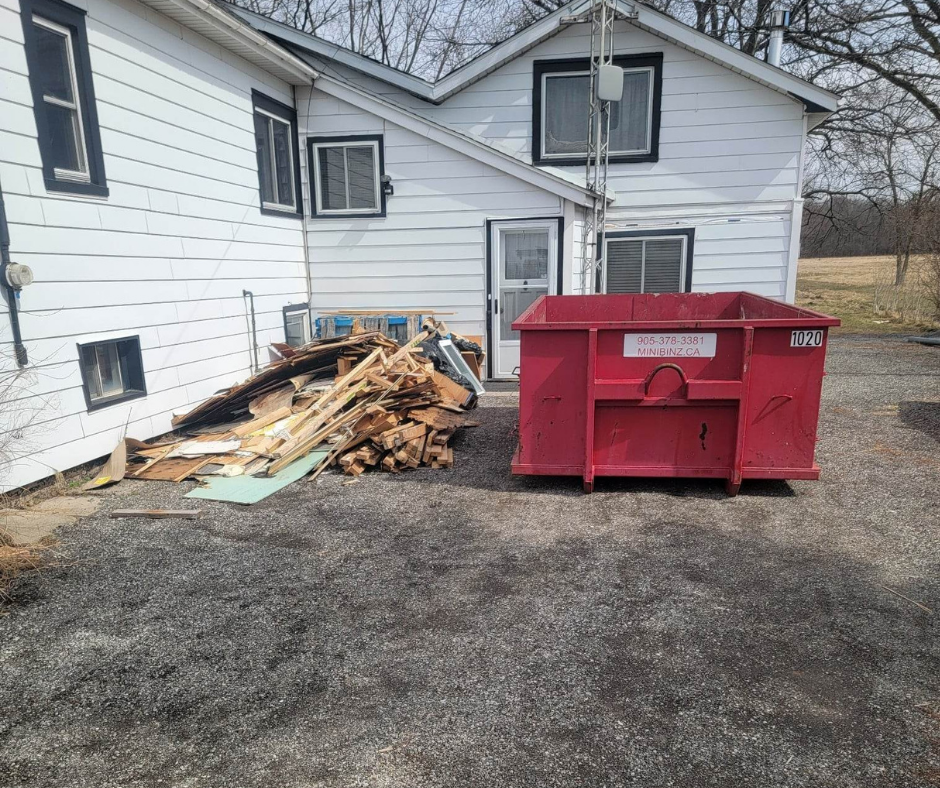
Drywall goes into a rental bin without issue, and bagging it when possible reduces dust and speeds up sorting at the receiving facility. Lumber, flooring, tile, and roofing shingles all fit within standard renovation debris categories. Heavy materials such as shingles and tile add weight quickly, so spreading them evenly through the load, rather than dumping them in a single section, keeps the bin balanced and the final weight easier to predict.
A 10 yard bin rental 10 yard bin rental suits smaller renovation projects such as a single bathroom remodel or a small deck teardown, while larger jobs with more debris volume benefit from a
15 yard bin that offers more capacity without exceeding a single load's weight allowance.
Insulation is generally accepted as well, though loose-fill insulation is easier to manage when bagged before it goes into the bin, since loose material tends to shift and settle during transport. Roofing shingles deserve particular attention on tear-off projects, since a full roof's worth of shingles can approach a bin's weight limit on its own even when the bin still has visible space remaining. Estimating shingle weight before the project starts, rather than partway through the tear-off, keeps the final invoice predictable.
Household Junk and Furniture
Couches, chairs, tables, and non-functional small appliances load easily into a rental bin, along with clothing, boxes, and general clutter cleared out during a move or estate cleanout. Small appliances without refrigerant, such as toasters, microwaves, and vacuum cleaners, fall under general household junk. Appliances that contain refrigerant belong to a separate category covered in the prohibited items section below.
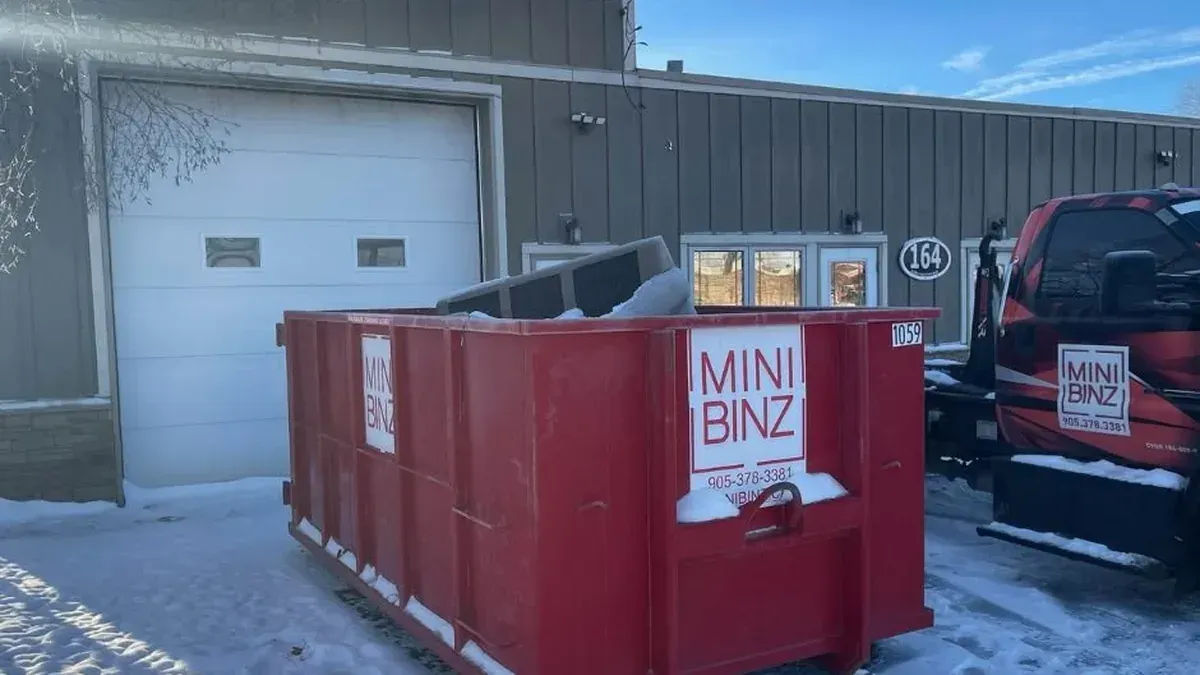
Every bin has a fill line at the top edge, and loading material above that line is not permitted for safe transport. Keeping the load level and below the lip avoids delays or refused pickups when the truck arrives. Large furniture pieces such as sectional couches or armoires break down more efficiently when disassembled before loading, which frees up space for the smaller items that typically fill in around them during a cleanout.
What Cannot Go in a Rental Bin in Ontario?
Certain materials are restricted from rental bins because of provincial hazardous waste regulation, contamination risk at sorting facilities, or handling requirements that go beyond standard hauling equipment. Provincial rules shape prohibited items dumpster rental services across Canada must follow, and Ontario applies these same restrictions to bin rentals throughout the Niagara Region. The table below covers the most common prohibited categories.
| Category | Examples | Why It Is Restricted |
|---|---|---|
| Hazardous Materials | Paint, solvents, pesticides, asbestos | Provincial regulation and contamination risk |
| Liquids | Oil, fuel, cleaning chemicals | Leak and contamination risk during transport |
| Tires | Car, truck, and tractor tires | Require specialized recycling handling |
| Refrigerant Appliances | Fridges, freezers, air conditioners | Refrigerant requires certified removal |
| Batteries | Car batteries, lithium batteries | Fire risk during transport and disposal |
| Propane Tanks | BBQ tanks, cylinders | Explosion and fire risk |
Hazardous Materials: Why They Are Prohibited
Hazardous waste disposal Ontario regulations keep contaminated materials separate from general construction and demolition debris, since a single container of paint or solvent can contaminate an entire load at the sorting facility. Paint, solvents, pesticides, and asbestos all fall into this restricted category and cannot go into a standard rental bin under any circumstance.
The Niagara Region hazardous waste disposal program accepts these materials directly from residents, offering a straightforward alternative when a project turns up old paint cans, garden chemicals, or solvent containers.
The Health Canada household hazardous products guide outlines safe storage and disposal practices for these same materials, which is useful reference before a hazardous item ever reaches a bin.
Appliances and Electronics
Fridges, freezers, and air conditioners contain refrigerant that requires certified removal before the unit can be safely scrapped, which is why these appliances cannot go into a standard rental bin. A certified technician needs to reclaim the refrigerant first, after which the unit can be recycled through the appropriate channel.
Televisions, computers, and other electronics fall under Ontario's electronics recycling program, which directs e-waste to certified processors instead of a standard landfill stream. Dropping these items at a designated e-waste depot keeps them out of the rental bin entirely.
Concrete, Dirt, and Heavy Fill
Concrete, dirt, and similar heavy fill materials are not prohibited outright, but they add weight far faster than typical household debris and can push a load past its tonnage limit with only a fraction of the bin filled. Confirming the load type with Mini Binz before filling a bin with concrete or soil prevents an unexpected overage charge at pickup.
Uncertainty about a specific item is common on larger renovation and demolition projects. If unsure about a specific item, call 905-378-3381 before filling the bin. A quick call before loading settles the question in a couple of minutes and avoids a surprise fee later.
What to Do With Items That Cannot Go in the Bin
A rejected item does not need to sit at the curb once it is clear the rental bin cannot take it.
Several straightforward alternatives exist for the most common prohibited categories:
• Niagara Region hazardous waste depot: accepts paint, solvents, pesticides, and similar household hazardous materials at no charge for standard quantities.
• Donation centers: furniture and household items still in usable condition can go to local donation centers instead of the bin, extending their life and reducing landfill volume.
• Electronics recycling: televisions, computers, and small electronics route through Ontario's regulated e-waste program rather than a standard bin.
• Municipal bulk item pickup: many Niagara municipalities offer scheduled curbside collection for large furniture and appliances, which handles bulky items without a bin at all.
Sorting prohibited items into the correct disposal route before the bin arrives saves time on pickup day and avoids the handling fees that come with a contaminated load. A short planning pass through a renovation or cleanout, separating hazardous materials, electronics, and donation-worthy furniture from the general debris pile, typically takes less time than a single trip to a depot after the fact.

Common Questions About Rental Bin Contents
Can a mattress go in a rental bin?
Yes, most rental bins accept mattresses as part of general household junk. Mattress disposal Ontario bin rental policies vary by municipality, and some areas apply a separate mattress recycling fee, so confirming the current policy before loading avoids a surprise charge.
Can appliances go in a bin rental?
Small appliances without refrigerant, such as toasters and microwaves, load like general household junk. Fridges, freezers, and air conditioners need certified refrigerant removal first and do not belong in a standard bin until that step is complete.
What happens if prohibited items end up in a rental bin?
A load containing hazardous or prohibited material typically results in an additional handling fee, and in some cases the hauler cannot accept the load at all until the item is removed and taken to the correct facility. Sorting facilities flag contaminated loads during processing, and the added labor required to rem
Where can hazardous waste be dropped off in the Niagara Region?
The Niagara Region hazardous waste depot accepts paint, solvents, pesticides, and similar materials from residents, usually at no charge for standard household quantities.
Can concrete or dirt go in a rental bin?
Yes, within weight limits. These materials add tonnage quickly, so confirming the load with Mini Binz beforehand keeps the final charge predictable.
Can old paint go in a rental bin in Ontario?
No. Paint counts as hazardous waste in Ontario and needs to go to a hazardous waste depot rather than a standard rental bin, regardless of how small the quantity is.
How to Avoid Overage Charges on a Bin Rental
Weight limits vary by bin size, and overage charges apply once a load exceeds the tonnage included with the rental. Most overage situations trace back to a small number of predictable causes, and each one has a simple fix.
• Distribute heavy materials such as concrete, tile, and shingles across the bottom of the bin rather than stacking them in one section, which keeps the load balanced and easier to estimate accurately.
• Break down large furniture and bulky items where possible to reduce wasted space and keep the load compact.
• Call ahead with questions about a specific heavy material, especially concrete, dirt, or large quantities of roofing shingles, before committing a full bin to that material.
• Choose the right bin size for the project from the start, since a slightly larger bin often costs less than a second haul or an overage fee on an undersized one.
Overage charges typically get calculated by weighing the loaded bin against the tonnage included in the rental agreement, with the difference billed at a per-ton rate. Projects heavy in concrete, tile, shingles, or wet debris hit that limit faster than projects made up mostly of furniture and boxes, even when the bin looks similarly full in both cases. Flagging a heavy-material project when booking allows Mini Binz to recommend a bin size and tonnage allowance that fits the actual job instead of a generic estimate.
Renters filling a bin near the Falls can review the bin rental Niagara Falls page for additional guidance on standard bin sizing for regional projects.
Conclusion
Rental bins in the Niagara Region accept most general household junk, renovation debris, yard waste, and furniture without issue, while hazardous materials, liquids, tires, refrigerant appliances, batteries, and propane tanks require separate disposal routes. Concrete and heavy fill sit in a middle category, allowed but limited by weight rather than banned outright. Reviewing what can go in a rental bin in Ontario before the first item goes in prevents delays, contamination fees, and repeat trips to a depot.
Mini Binz confirms accepted materials for a specific project type before booking, which removes the guesswork for first-time renters and contractors managing multiple loads alike. Questions about a specific item, whether it is a fridge, a stack of shingles, or a pile of concrete, are best answered with a quick call before the bin fills up, rather than after the truck has already arrived to collect it.
Ready to book a bin?
Contact Mini Binz and the team will confirm accepted materials for the project type, or call
905-378-3381 to check on a load before it happens.